Every scientific innovation is result of a fictional concept that was considered as pure magic in past. Take mobile phones, for example, it is a common part of our lives now, but ask someone who was there 50 years back, a device like this existed nowhere else then their biggest fantasies. So, it got me to a question – what can be the biggest fantasy for medical world? There were several ideas that came to my mind but than the James Cameron’s masterpiece “Avatar” caught our attention. The concepts used in this sci-fi can be considered as epitome of medical evolution where soul of a alive crippled man is regularly transferred to another healthy body giving it a chance to lead a normal life bypassing the restrictions of its own amputated body. Imagine this turning into a reality where sick, dying, crippled people could be given a chance to live a normal better life. However, that is a farfetched reality and we are not talking about that. What we are talking about here is something as fascinating and as useful as the concept discussed in previous lines but is a present day reality – Artificial Intelligence or AI.
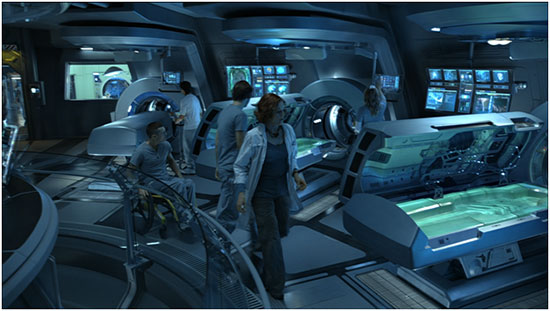
Fig.1: Advanced Science as Shown in Avatar Movie
As Britannica defines it, Artificial Intelligence is the special ability of a digital computer or a computer backed machine to carry out those tasks that are usually performed by intelligent beings. Systems like these follow the simple human thought process that includes an ability to reason, identify the meaning, generalize it and keep learning from past experiences. Though, the big guns like Stephen Hawking, Elon Musk, and Bill Gates have their own suspicions about its future, at present, it is assisting medical industry in creation of a better and a healthier world.
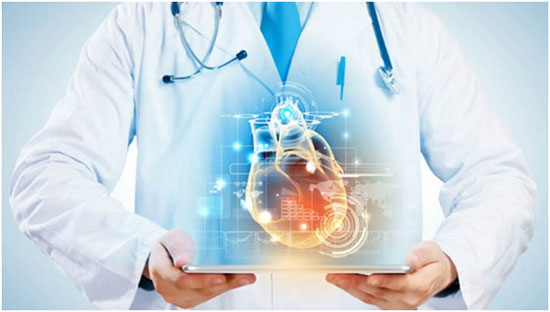
Fig. 2: Representational Image of Artificial Intelligence
AI is still in its juvenile stage where its applications and implications are being used to reduce redundancy from elongated tasks and improve the rate of accuracy. Since, these two attributes are in high demand in the medical and healthcare field, it is definitely changing the complete scenario of this industry. In the following paragraphs, we are just trying to explain this point in a better way with some highly interesting examples that will surely grapple your interest and help clarifying is significance for healthcare industry.
● Virtual Health Assistant : VHA or the Virtual Health Assistant can be crucial for patients who need to rely on others completely even for the most menial tasks. Take, for example, dementia patients who need reminders to take their medicines or people suffering with anxiety might find a monitor on their arm that informs their caretaker to come and check them out.
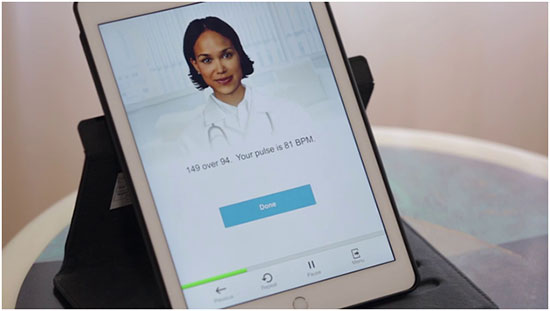
Fig. 3: Representational Image of VHA
Most VHAs are designed to assist the patients with treatment options for common medical issues or offer recipes for people on strict diets. VHAs are also capable of keeping a check on patients based on data and permits doctors to interact with pharmacies and patients reminding them of prescription pickups and refills and also keep suggesting preventive measures every now and then.
● Predictive Care: Have you ever played chess, every player needs to think of three steps ahead while calculating their opponent’s moves. Those new to the game might find it harder to do so many calculations and consider every outcome and plan their moves to keep defending his pieces. This is the basic difference between predictive and reactive thinking. The present day model of healthcare is a rather reactive one, it does not considers the matters of near future. Doctors only focus on treating the patient’s symptoms but have no solution for future implications of these problems.
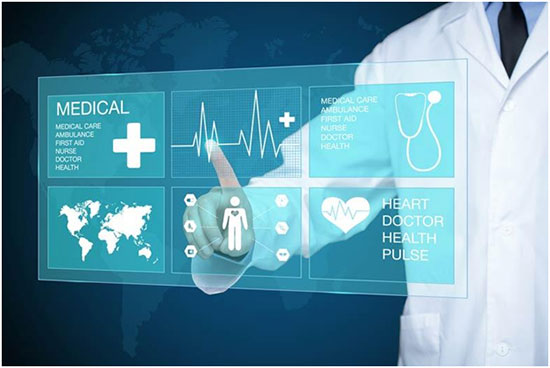
Fig. 4: Image Representing a Typical Predictive Care System Based on Artificial Intelligence
Not long ago, Intel worked with San Diego based Sharp HealthCare to devise an AI system that recognizes individuals with high risk of facing sudden health issues. The system worked with an accuracy of 8/10 showing when emergency situation would arise with the patient. It also allowed Sharp HealthCare to strategically plan and keep their emergency response teams ready enhancing success in handling life-threatening conditions and saving more people under fatal conditions.
● Chatbots: We all love to share it with the closest and most reliable person we know whenever we have any medical condition. But what if that friend was replaced by a medical specialist system that was just a click away from you. This new specialist has all medical data and knowledge which means the chances of wrong advice are as low as zero. Chat robots or Chatbots have already been into play for long but with integration of AI, these are getting smarter with every passing day.
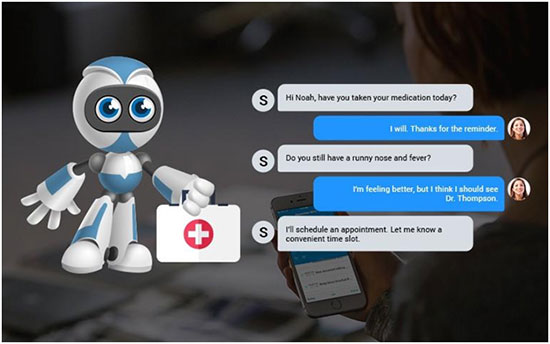
Fig. 5: A Typical Chatbot
Presently, these are being used for getting doctor’s appointments and keeping a check on health status, but give it sometime these will be able to assist you in a much better way. The information they provide has been approved by medical experts and would automatically book appointments based on seriousness of your queries.
● Diagnosis: AI has also played a vital role in improving the accuracy of medical diagnosis which is one of the biggest demands in Indian medical industry. With so many people losing their lives due to wrong diagnosis and treatments by under-qualified doctors, it is time we bring-in machines that can improve the accuracy of this task. It is already being used by our neighboring countries like China and Japan where they have systems to read x-rays, CT scans and identify suspicious lesions and tumours in cancer patients. It aids early diagnosis by doctors saving time that is wasted in sending samples to labs and then analysing the outcomes.
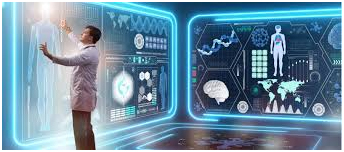
Fig. 6: Image Showing Medical Diagnosis Through AI
Another team of researchers working in Stanford University recently created an AI algorithm that can recognize and diagnose skin cancer. It makes use of physical features like lesions, rashes, and moles and might be available as an app in your phones someday.
Bottomline
AI is gaining traction from multitude of fields and definitely it will have a positive and huge impact on healthcare industry. It will be crucial in reducing diagnosis duration simplifying treatment plans. On a broader scale, it will reduce mortality rate and enhance overall health status on living beings. There are so many nations around the world that are currently facing manpower crisis due to poor health status and high mortality rate of their working population. Also, the increased use of chemicals in every sphere has bred new diseases that were unheard of till date. We need faster diagnosis and more efficient treatment plans if we need to outgrow these problems. If we consider an overall health record, our younger and upcoming generations have poorer health than their predecessors, diseases like cancer, diabetes, tumors are spreading through lower age groups as small as 4 and 5 with higher frequency. We will need more intelligent systems if we need to ensure better lives for our coming generations and leave a better world for them. AI has a revolutionary role to play in that and we cannot be but more supportive of its development in this respect.
Filed Under: Tech Articles
Questions related to this article?
👉Ask and discuss on EDAboard.com and Electro-Tech-Online.com forums.
Tell Us What You Think!!
You must be logged in to post a comment.