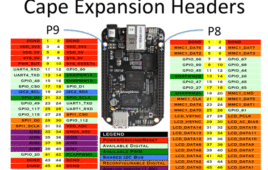
Raspberry Pi was a revolutionary initiative. Nobody had ever thought that Single Board Computers (SBC) apart from their industrial use for embedded systems applications will come to a resort for educating young computer science professionals. The technological advancements removed the necessity of learning bizarre intricacies of the computer architecture and systems. But, soon it was realized that the lack of exposure to such integrated details will be a drawback for the new generation of computer professionals. And then it was the Raspberry Pi foundation that took the plunge. From the time of launch of Raspberry Pi 1 Model B released in 2012 onwards, by now Raspberry Pi 3 has already launched in February 2016.
Arduino Vs Raspberry Pi: How to select between the two?
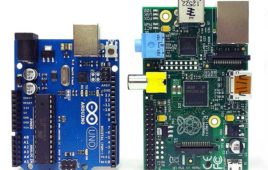
This is a common dilemma among electronics community of engineers whether they are DIY hobbyists or professionals working on a prototype. There may be a case that one might have worked on some microcontrollers and now willing to propel the academic excellence by working on development boards or do one needs to choose a development board for a do-it-yourself engineering project. Let’s have a fundamental understanding of both the boards to make clear which to select.First thing is that both Arduino and Raspberry Pi offer a range of development boards with different specifications and features.